
100 pcs
Per colour, sizes mixed freely
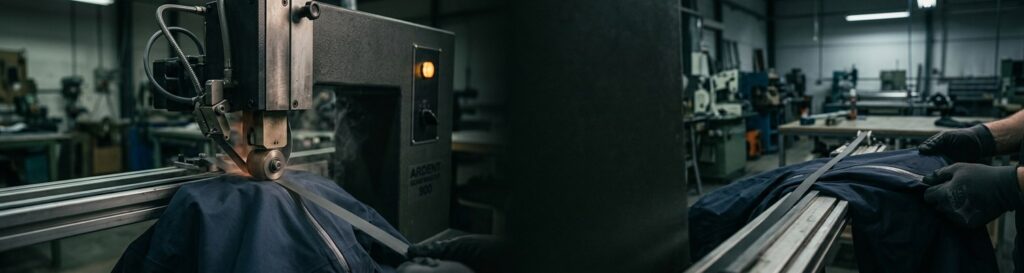
Seam sealing
Taped in our own factory, not outsourced
30/70 Escrow
30% starts production, 70% only before shipment — after your goods are ready to go
Reorder 10–15 Days
Restock fast, no 30-day wait when it sells
8–12hr Reply
We reply to every inquiry within 8–12 hours
Sample = Standard
Bulk that drifts from your approved sample gets remade, not shipped
from $9.80/pc
Fleece & sherpa FOB starting price
7–10 days
Sample turnaround
What "waterproof" means on most jacket manufacturer websites
It usually means the fabric carries a DWR finish, which makes water bead up and roll off until the coating wears down. That is water-repellent, not waterproof, and the difference shows up the first time your customer stands in real rain.
Actual waterproofing needs two things. A fabric with a hydrostatic head rating, measured in millimetres under ISO 811, the standard hydrostatic pressure test, so there is a number you can hold a supplier to. And taped seams, because every needle hole you sew is a hole water gets through. A jacket can have a 20,000mm shell and still leak at the shoulder if nobody sealed the seams.
We run seam sealing in our own factory, and the hydrostatic head number for your chosen fabric goes on your quote in writing. If you are selling into Europe and need a rain protection class on the label, EN 343 is the standard your buyer will ask about, and it grades the shell and the seams together rather than the fabric alone.
Which Outerwear Programme Do You Actually Need?
These run on different lines with different timelines. Tell us which one you are building and the conversation gets a lot shorter.
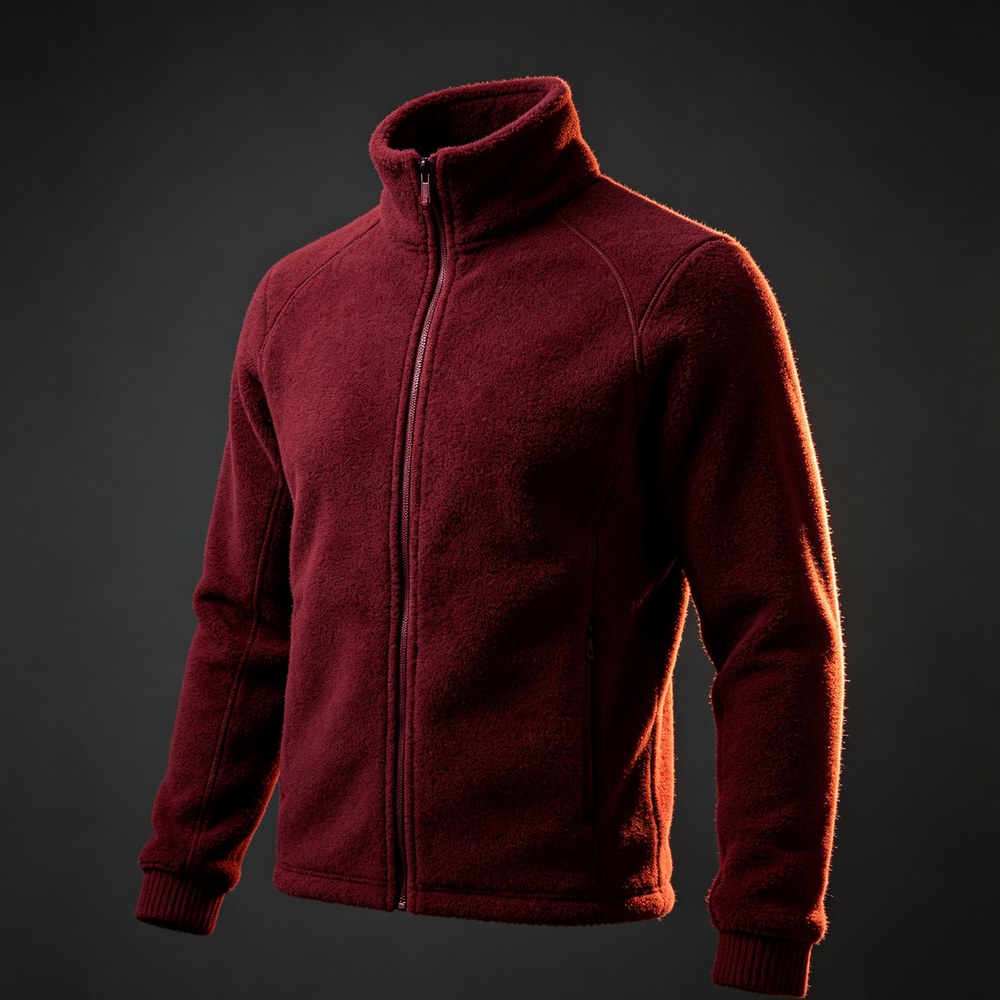
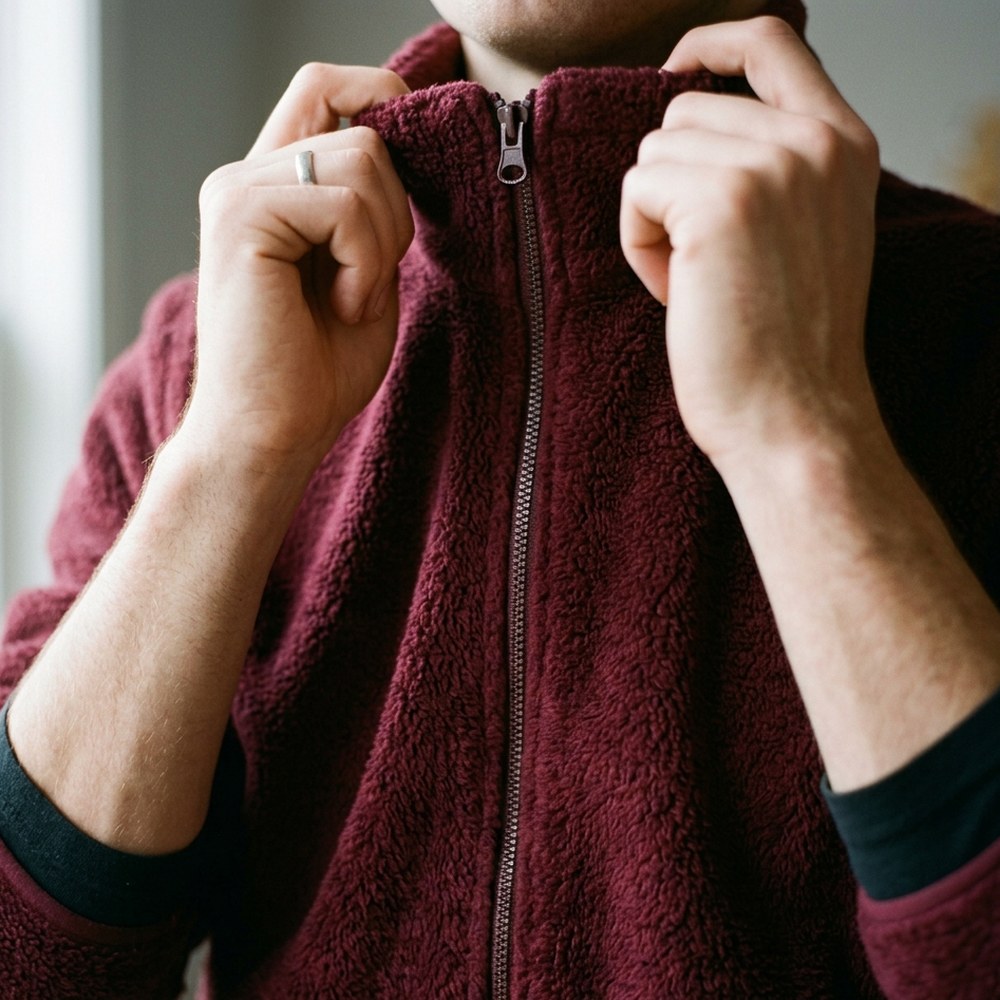
Fleece and Sherpa Jackets
Polar fleece, anti-pill fleece and sherpa, full-zip and half-zip, in the same fleece and plush fabrics we already run for our fleece manufacturing programme. This is the shortest path to a first outerwear drop: no insulation to specify, no waterproofing to argue about, and the fabric is already in-house.
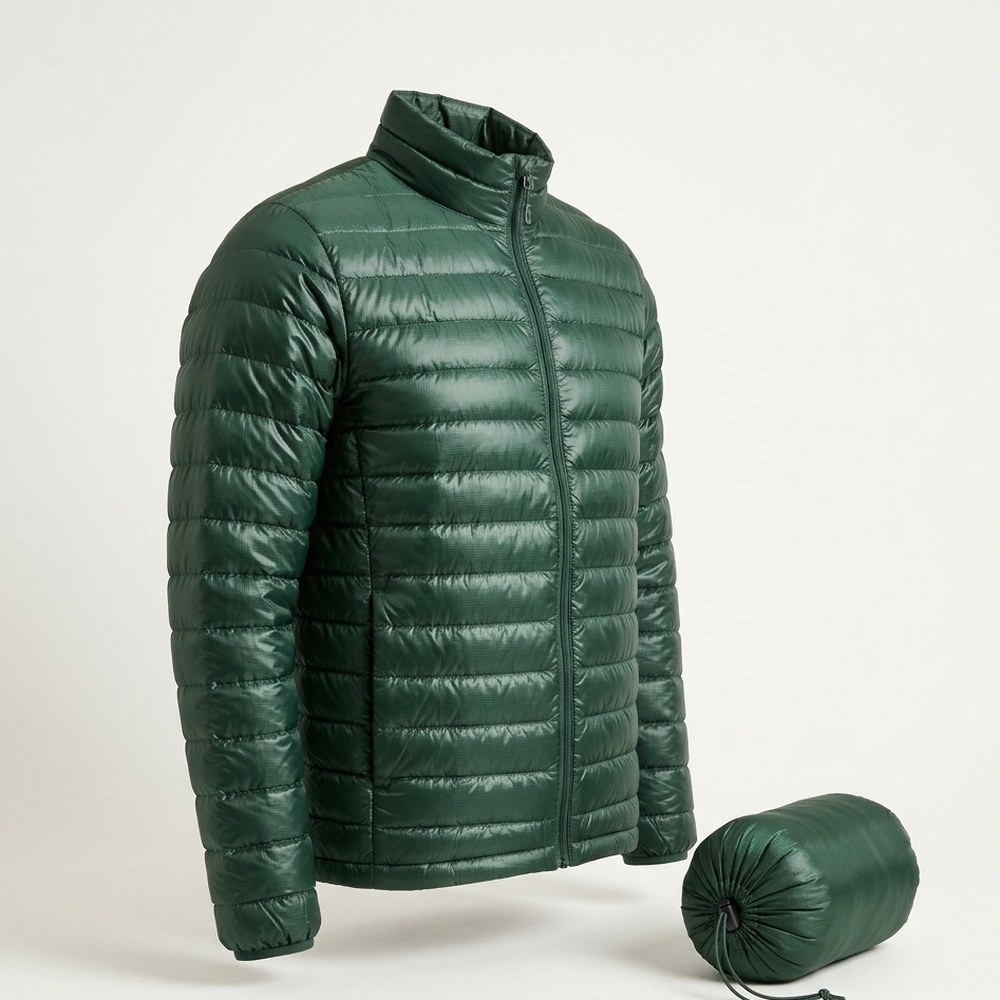
Insulated and Puffer Jackets
Quilting and filling run on our own lines. That matters more than it sounds: insulated outerwear is where subcontracting shows up as inconsistent fill distribution and cold spots at the baffles, and where a supplier who sends the work out cannot answer questions about their own construction. Down or synthetic, baffle or sewn-through, specified with you rather than chosen for you.
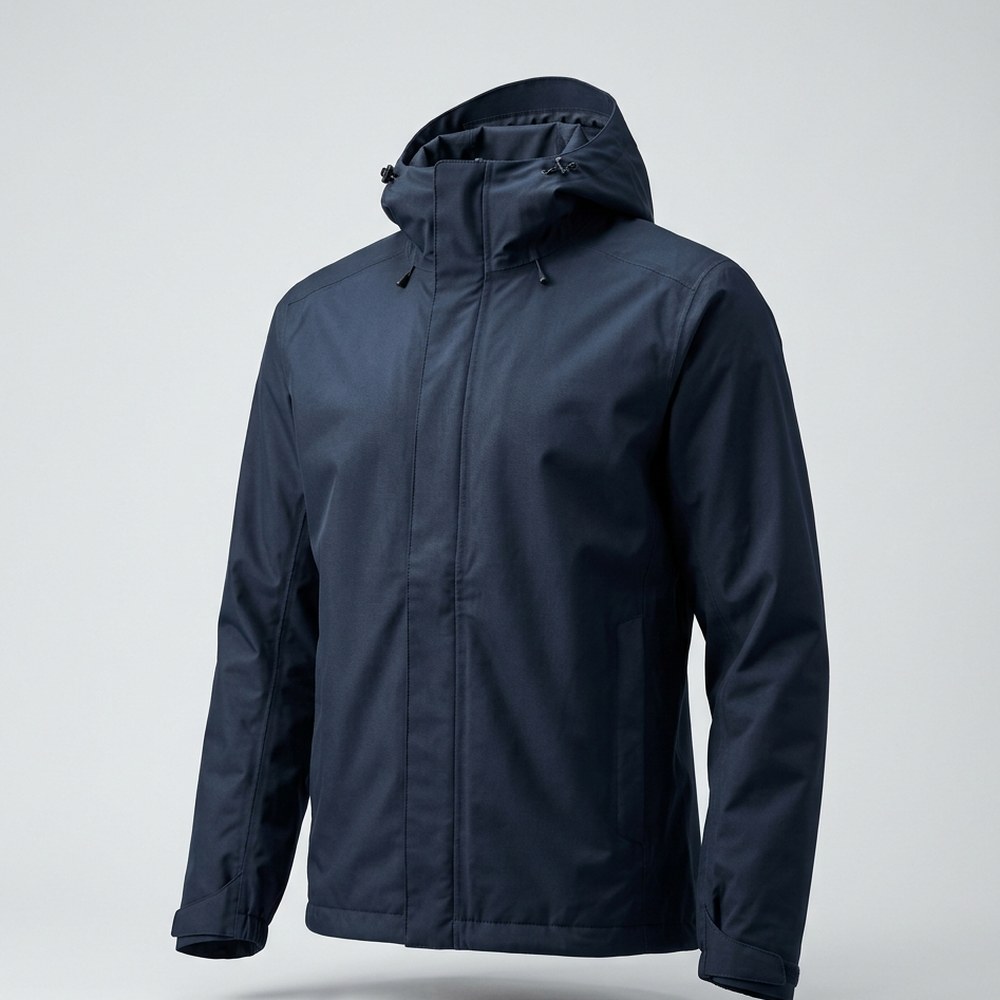
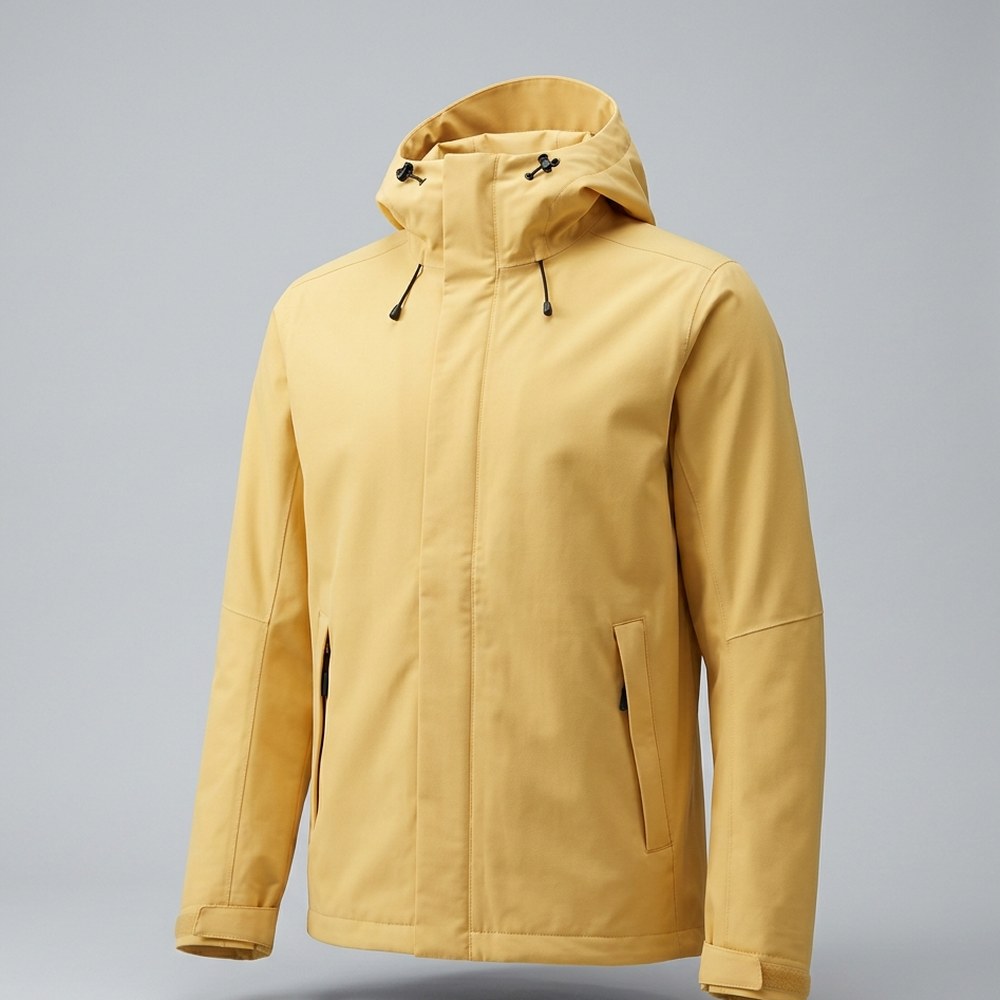
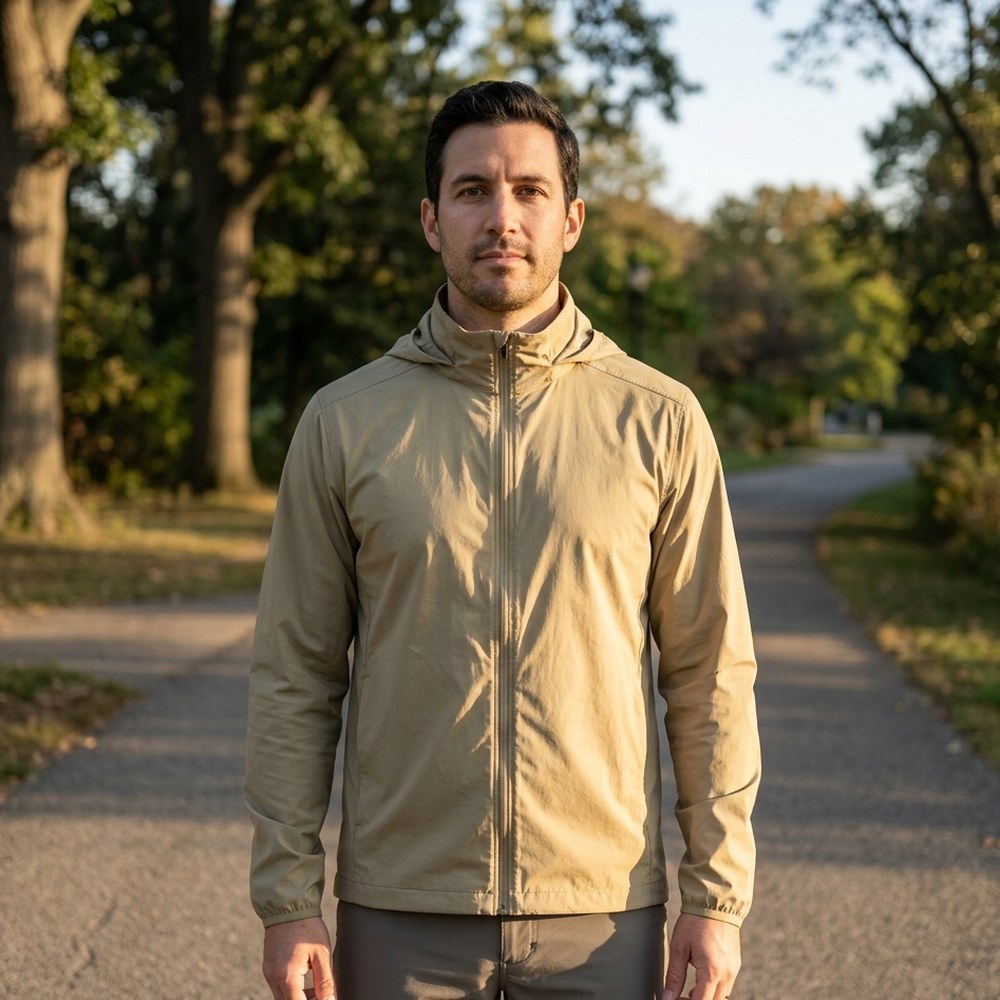
Shell, Softshell and Waterproof Jackets
Windbreakers, softshells and hard shells. If you want water-repellent, we build it with a DWR finish and say so. If you want waterproof, you get a fabric with a stated hydrostatic head rating and taped seams, sealed on our own equipment. We will not sell you the first thing described as the second.
What We Do Not Make
No leather jackets and no wool melton varsity jackets. Leather needs a tannery supply chain and a leather sewing floor; varsity is a different trade again. We are a knit and technical woven outerwear factory. If either of those is central to your line, we are not your supplier and three sampling rounds will not change that.
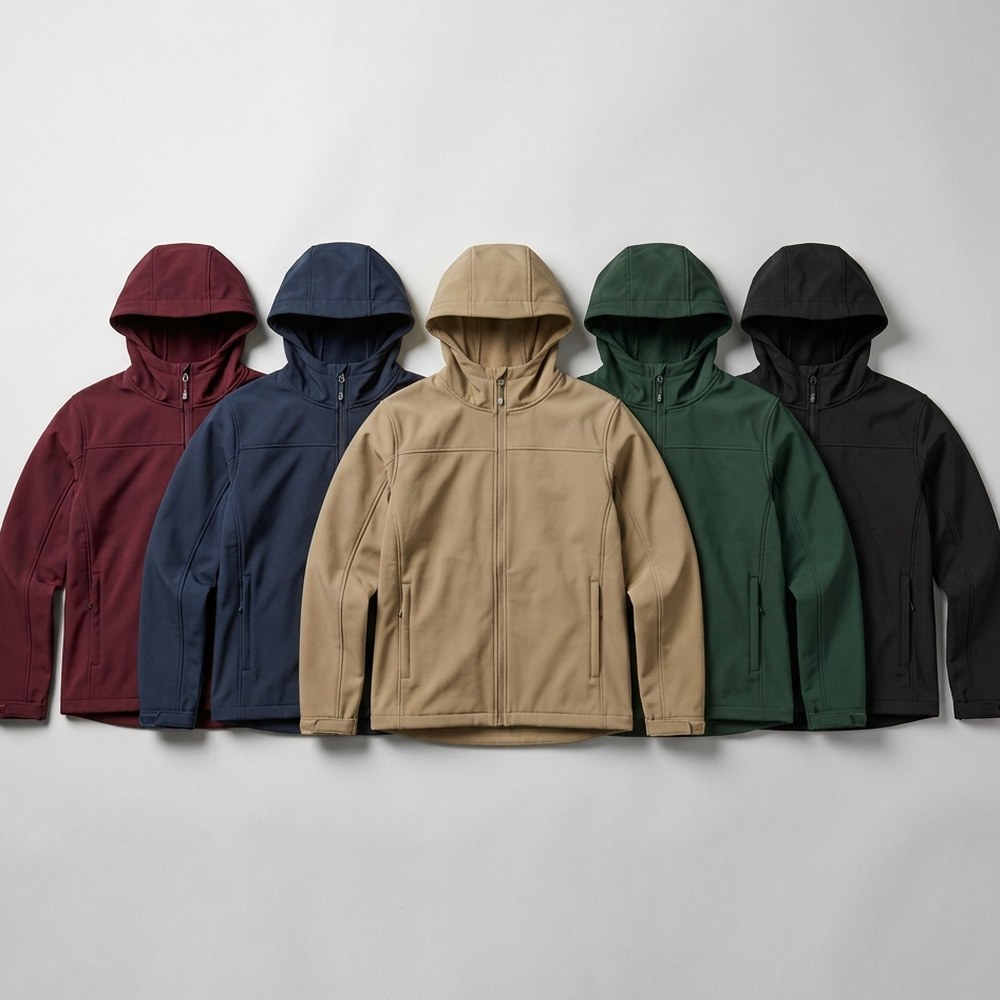
How Long Does Custom Jacket Production Take, and Where Does the Time Go?
Outerwear takes longer than knitwear for reasons that are structural, not administrative. Here is where the time goes.
1. Brief or tech pack, plus a decision on performance
Before anything else we need to know whether you are building water-repellent or waterproof, and whether the insulation is down or synthetic. These two answers change the fabric, the construction, the equipment and the price. Most enquiries arrive without them, which is normal, and it is the first thing we work through with you.
2. Pattern and proto sample
Outerwear patterns carry ease for layering, which means the block cannot be scaled from a knit garment. Sleeve pitch, shoulder drop and hem sweep all get set here, and on hooded styles the hood volume is worth a round of its own.
3. Hardware and trims
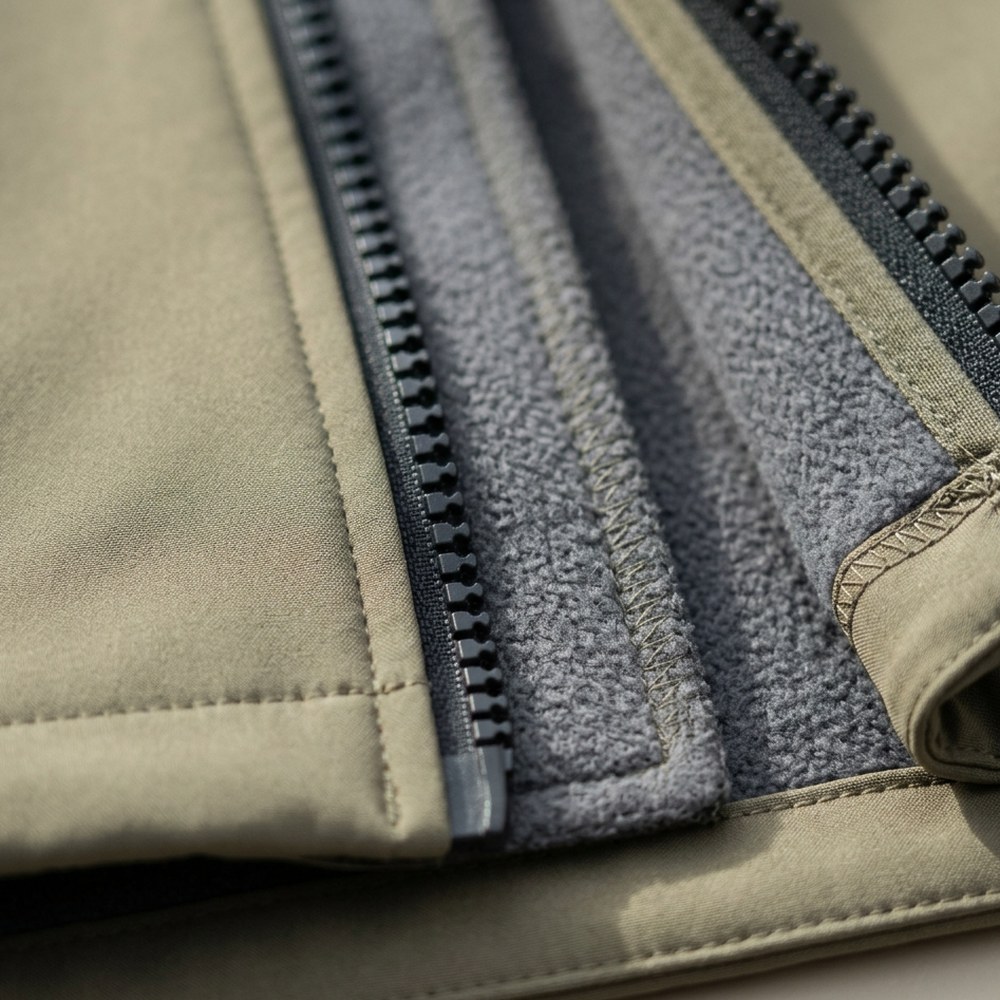
Zippers, pullers, snaps, cord locks and drawcords. This stage is where outerwear schedules slip, because trims have their own lead times and a two-way separating zipper in a custom length is not something anyone has sitting on a shelf. Decide hardware early and the rest of the programme runs on time.
4. Quilting, filling and seam sealing
Both run on our own equipment. Quilting and filling determine whether the insulation stays where it is supposed to be after ten wears, and seam sealing is what turns a waterproof fabric into a waterproof jacket. Neither is a finishing touch, and neither can be compressed to hit a fourteen-day promise.
5. Bulk, inspection, shipping
AQL 2.5 inspection, then FOB Shanghai or Ningbo. You approve inspection results before the balance payment moves.
What Makes One Puffer Jacket Cost Twice as Much as Another?
Baffle versus sewn-through. Sewn-through quilting stitches the shell straight to the lining. It is cheaper, lighter and it makes a cold line at every seam. Baffle construction builds internal walls so the fill stays lofted across the whole panel, costs more, and is the difference between a jacket that looks warm and one that is. Sewn-through is not wrong; it is a choice, and it should be a deliberate one.
Down versus synthetic. Down carries more warmth per gram and collapses when wet unless it is treated. Synthetic keeps working damp and takes more weight to reach the same warmth. Hydrophobic down sits in between and costs accordingly.
Fill power and fill weight are two different numbers. Fill power measures loft quality and is tested under EN 12130 in Europe, or by the IDFB Testing Regulations method most laboratories use elsewhere; fill weight is simply how many grams actually went in. A high fill power with a thin fill weight is a marketing jacket. Both numbers belong on your spec sheet, and both can be sent to an independent laboratory such as IDFL if you want them confirmed rather than asserted.
Taped seams cost time, not just money. Every seam sealed is a separate operation on separate equipment. This is the honest reason a genuinely waterproof jacket cannot be produced on the same timeline as a fleece.
Lining. Full lining, half lining, or bagged out. This affects the price less than buyers expect and the perceived quality more.
Who Should Use a Chinese Outerwear Factory?
Streetwear and casualwear brands adding outerwear to an existing range. Bombers, coach jackets and puffers are the usual entry points, and they run alongside your streetwear programme on the same schedule.
Outdoor and technical brands who need a supplier that will answer a question about hydrostatic head with a number instead of an adjective.
Corporate and team programmes where fleece and softshell are the volume items and consistency across reorders matters more than novelty.
Who it is not for: anyone who needs leather or wool melton varsity jackets, and anyone who needs a sealed insulated jacket in three weeks. Those are real requirements, and we are simply not the right factory for either.
What Are Your MOQ, Pricing and Payment Terms?
| MOQ | 100 pieces per colour. Sizes split freely within the 100. Each additional colour is its own 100, because each colour needs its own dye lot. |
| Payment | 30% deposit, 70% balance after you approve inspection. |
| Sampling | 7–10 days. Reorders ship in 10–15 days off your held tooling. |
| Bulk production | 35–50 days after sample approval and deposit receipt. Longer than the 2–3 weeks some suppliers advertise, because taped seams and quilted fill are production steps, not finishing touches. A sealed, insulated jacket does not get made in fourteen days by anyone. |
| Certification | OEKO-TEX Standard 100 certified fabrics. Certificate copies travel with every shipment. |
| Quality | AQL 2.5 inspection. If bulk deviates from the sample you approved, we remake or refund. |
| Seam sealing | Done in our own factory. Hydrostatic head rating for your chosen fabric stated on the quote. |
| Quilting and filling | In house, not subcontracted. |
| Pricing | Fleece and sherpa from $9.80/pc, insulated and puffer from $16.00/pc, taped waterproof shell from $24.00/pc. All FOB at 100 pieces. Final price is confirmed against your tech pack, because shell fabric and hardware move the number more than anything else on a jacket. |
| Insulation | 600–700 fill power down as standard, 800 available on request. Fill weight 100–220g depending on style. Both numbers are written on your spec sheet, and both can be third-party tested — a claim you cannot verify is not a spec. |
| Factory | Suzhou, Jiangsu. |
| Shipping | FOB Shanghai or Ningbo. |
Selected Client Projects
Names are withheld at the clients’ request. Everything below is from real production runs.
European Outdoor Brand — Waterproof Shell Jackets
A European outdoor label sells shell jackets where “waterproof” has to survive real rain, not a product-page claim. We tape the seams in our own factory and put the hydrostatic head rating of the fabric they chose on their quote in writing — so there’s a number to hold us to. That’s the difference between water-repellent and actually waterproof.
Outcome: Their shell line passed their own field testing and reordered; the taped-seam spec is now written into their annual range.
US Fashion Label — Fleece & Sherpa Outerwear
A US fashion label makes fleece and sherpa outerwear with us from 100 pieces per colour, sizes mixed freely. They wanted the heavy drape and finish of a branded sherpa at a price that works for their wholesale model — and a factory that could scale into their insulated range as the line grew, on one production line and one quality bar.
Outcome: Consolidated three separate suppliers onto one line and now runs fleece and insulated orders on the same reorder cycle.
Related Programmes
Outerwear rarely ships alone. Our fleece manufacturing programme covers the fabric side of fleece jackets, brands building a full range usually start at low MOQ clothing manufacturing, and label and packaging programmes are covered on our private label clothing manufacturing page.
Custom Jacket Manufacturer FAQ
That depends on what you specify, and we will tell you which one you are buying. A DWR finish makes water bead off the surface and wears down over time, which is water-repellent. Waterproof needs a fabric with a hydrostatic head rating measured in millimetres, plus taped seams, because sewing perforates the shell. We do seam sealing in our own factory and put the hydrostatic head number for your chosen fabric on the quote.
100 pieces per colour. Sizes split freely within those 100, because we do not multiply the minimum by size. Each additional colour is its own 100, since every colour needs its own dye lot. Some suppliers advertise 30 pieces; at that quantity you are almost always buying from a trading company rather than the line that sews your jacket.
In house. Quilting and filling run on our own lines, which matters because insulated outerwear is where subcontracting usually shows up: inconsistent fill distribution, cold spots at the baffles, and a factory that cannot answer questions about its own construction.
30 percent deposit to start production, 70 percent after you approve inspection. You see inspection results before the balance moves.
No. Leather requires a tannery supply chain and a leather sewing floor, and wool melton varsity jackets with leather sleeves are a different trade again. We are a knit and technical woven outerwear factory: fleece, insulated and shell jackets. If leather is central to your line we are not the right supplier, and it is better you know now.
Request a Custom Jacket Manufacturing Quote
Why Request a Quote From Us
- ✅ Low MOQ — from 100 pcs per colour / design
- ✅ Seam sealing & quilting in-house — waterproof and insulated builds under one roof
- ✅ OEKO-TEX® Standard 100 certified, certificate copies with every shipment
- ✅ Full OEM — your fabric, shell type, insulation & hardware
- ✅ Sample turnaround in 7–10 business days
What to Include in Your Inquiry
- Shell fabric & target quantity
- Insulation type (fleece / down / synthetic) & colour requirements
- Target price & deadline
⏱️ We reply to every inquiry within 8–12 hours.
You can also reach us directly:
WhatsApp: +86 13372169755
E-mail: [email protected]